April 20, 2026
510 Cartridge Buying Guide: How to Choose the Right Empty Carts for Your Oil
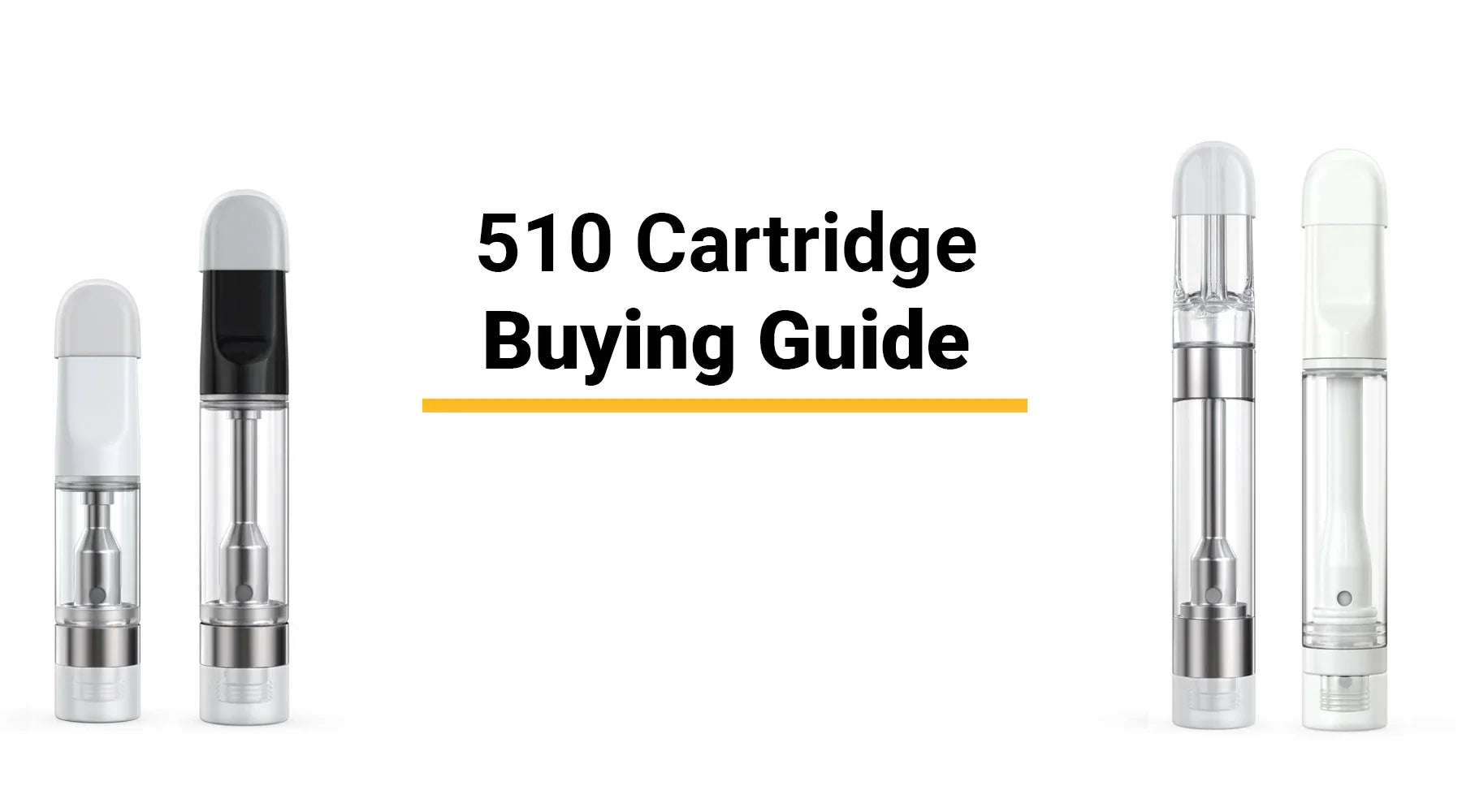
If you are buying empty 510 cartridges for the first time, or you have been burned by a bad batch from a supplier you trusted, this guide is for you. The 510 cartridge market is crowded, and not all hardware is built the same. Knowing what actually matters before you place a bulk order can save you significant money and a lot of headaches down the line.
What Does "510 Thread" Actually Mean?
The "510" refers to the threading specification at the base of the cartridge: 10 threads at 0.5mm pitch. It became the industry standard years ago and has stayed that way. The practical benefit for buyers is broad compatibility. A 510 thread cartridge works with the vast majority of vape batteries on the market, which means your customers are not locked into proprietary hardware and you are not locked into a narrow ecosystem.
If a supplier is selling cartridges with proprietary connections and framing it as an advantage, that is a red flag. The universal 510 standard exists for good reason and most serious operators stick to it.
Ceramic Cell vs. Full Ceramic: Understanding the Difference
This is the most important technical distinction you need to understand before buying.
A ceramic cell cartridge uses a ceramic coil element housed inside a stainless steel center post. The ceramic provides clean, even heating, and these cartridges perform extremely well with distillate, live resin, and most standard-viscosity cannabis oils. They are durable, widely available, and tend to be the most cost-effective option for high-volume buyers. The vast majority of cartridges sold at wholesale are ceramic cell.
A full ceramic cartridge takes this further. The center post and the coil are all ceramic. There is no metal contact with your oil at any point in the process. This matters most for extract producers working with highly sensitive, terpene-rich formulations where even trace metal exposure can affect flavor. Full ceramic cartridges also perform better in lab testing environments where contamination is a serious concern.
For most wholesale buyers filling distillate or standard live resin, ceramic cell is the right call. If you are positioning a premium product and flavor purity is a core part of your brand story, full ceramic is worth the extra cost.
Tank Size: 0.5ml vs. 1ml
Half gram and full gram cartridges are both strong sellers, and the right choice depends on your market and your pricing strategy.
The 0.5ml cartridge has been a staple of the industry for years. It suits consumers who want to try a flavor at a lower price point, and it works well for brands with premium-priced oils where a lower unit cost to the customer matters. Fill times are faster and the smaller form factor is popular in markets where discretion is valued.
The 1ml cartridge has grown significantly in popularity and now represents the majority of wholesale volume for most suppliers. Consumers broadly understand that more oil for a similar price is a better deal, and the 1ml format allows brands to justify higher shelf prices while maintaining healthy margins. If you are launching a new SKU and unsure which to lead with, 1ml is the safer default in most markets today.
There is no meaningful quality difference between the two sizes, assuming you are sourcing from the same manufacturer. The coil technology and materials are essentially identical. Choose based on your market, not on assumptions about quality.
Oil Viscosity and Cartridge Compatibility
This is where a lot of buyers make mistakes that cost them product and reputation. Not all cartridges work equally well with all oils, and the determining factor is viscosity.
Distillate is thick and flows slowly at room temperature. It is the most forgiving oil to fill and works well in virtually any ceramic cell cartridge with standard 2.0mm intake ports. If you are filling distillate, you have the widest hardware compatibility of any oil type.
Live resin and rosin are increasingly popular but they present more complexity. These oils often contain higher terpene concentrations, which can thin the viscosity significantly. A cartridge designed for thick distillate may leak when filled with a terpy live resin because the oil flows too freely through the intake ports. For these formulations, look for cartridges with smaller or adjustable intake ports, or test a sample batch before committing to a bulk order.
Cold-cure rosin is the most demanding oil type in terms of hardware requirements. It can be extremely thick at room temperature and may not wick properly in cartridges designed for standard distillate. If you are filling rosin at scale, this is an area where getting samples and testing thoroughly before placing a large order is not optional, it is essential.
The practical takeaway: always match your cartridge selection to your specific oil, and always test before you buy in volume.
Mouthpiece Types: Screw-On vs. Press-On
The mouthpiece style affects your filling operation more than most buyers initially realize.
Screw-on mouthpieces thread onto the cartridge tank after filling. They create a more secure seal and are generally preferred for thick oils because the connection is tighter and guaranteed. The trade-off is that capping speed is slower in high-volume filling operations.
Press-on mouthpieces snap into place with downward pressure. They are faster to cap and work well on automated filling lines. Some press-on designs use tamper-resistant features to maintain product integrity. The seal is generally reliable for most oil types but can be less forgiving with very thin or terpy oils that put pressure on the connection over time.
For small-batch hand-filling operations, either works fine. For high-volume production where capping speed matters, press-on designs are typically faster. Know your filling setup before you decide.
What to Look for in a Supplier
Hardware quality is only part of the equation. The supplier relationship matters just as much for buyers who are filling at any meaningful volume.
USA-warehoused inventory is a practical necessity for most domestic operators. Lead times from overseas suppliers can run four to eight weeks, which creates inventory management problems for brands that need to respond quickly to demand. A supplier with stock on American soil means you can reorder and receive product in days rather than months.
Third-party lab testing documentation is non-negotiable. Any supplier selling cartridges in the cannabis industry should be able to provide certificates of analysis showing their hardware has been tested for heavy metals including lead, cadmium, arsenic, and mercury. If a supplier cannot produce these on request, walk away. This is not an area where you want to take risks with your customers or your compliance standing.
Transparent pricing with volume tiers is a sign of a legitimate wholesale operation. Pricing should drop as order size increases, and those tiers should be clearly published rather than requiring you to negotiate every order. Vague pricing structures often mean inconsistent pricing, and that makes budgeting and margin planning difficult.
Sample availability before bulk commitment is something every reputable supplier offers. If a company will not let you test their hardware before placing a large order, that tells you something. The ability to evaluate coil performance, seal integrity, and oil compatibility with your specific formulation before spending thousands is a basic expectation.
Before You Place Your First Bulk Order: A Practical Checklist
Going through this list before committing to any new supplier will save you money and protect your brand:
Order a sample pack and fill it with your actual oil, not a substitute. Hardware behaves differently with different formulations and you need to test the real thing.
Leave filled cartridges sitting for at least 48 hours before evaluating. Leaks often do not appear immediately and a quick look after filling tells you very little about long-term performance.
Request the lab results for heavy metals testing and verify the document is from an accredited third-party lab, not an internal test.
Confirm the supplier's warehouse location and typical ship times to your region. A warehouse in Florida ships to the East Coast faster than one in California, and vice versa.
Check that the thread spec is true 510 and test compatibility with the batteries your customers are using.
Ask about their defect rate and return policy. A supplier confident in their hardware should have a clear process for handling defective units.
The Bottom Line
Buying 510 cartridges in bulk is a straightforward process once you know what you are looking for. Ceramic cell hardware from a USA-based supplier with published lab results and clear volume pricing is the right starting point for most buyers. Match your tank size and intake specifications to your oil type, order samples before committing, and build a supplier relationship that can scale with your business.
If you are ready to see what current wholesale pricing looks like for lab-tested, heavy-metal-free 510 cartridges warehoused in the USA, browse our full cartridge collection or order a sample pack to test quality before you commit.
Keep reading

Ready to stock up?
Shop wholesale cartridges and disposables, with free shipping on orders over $49.99.