May 12, 2026
Empty Disposable Vapes vs 510 Cartridges: Which Is Right for Your Brand?
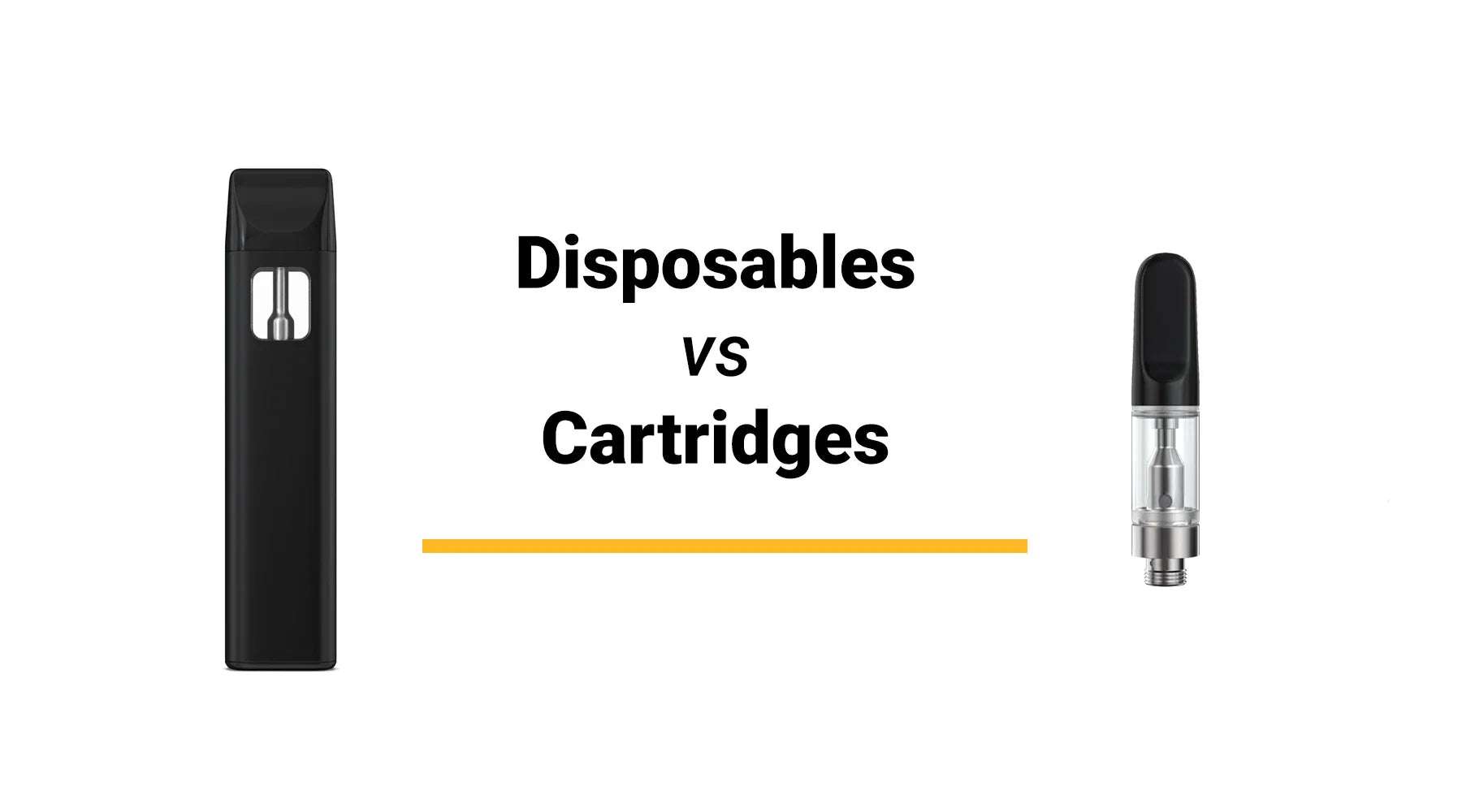
If you are sourcing empty vape hardware for your cannabis brand, you will quickly find that the two dominant formats on the market are 510 thread cartridges and all-in-one disposable vapes. Both are popular, both are widely available, and both have a strong consumer base. But they serve different markets, different oil types, and different brand strategies. Choosing the wrong format can cost you customers, margin, and market positioning.
This guide breaks down the key differences between empty disposable vapes and 510 cartridges so you can make the right hardware decision for your specific operation.
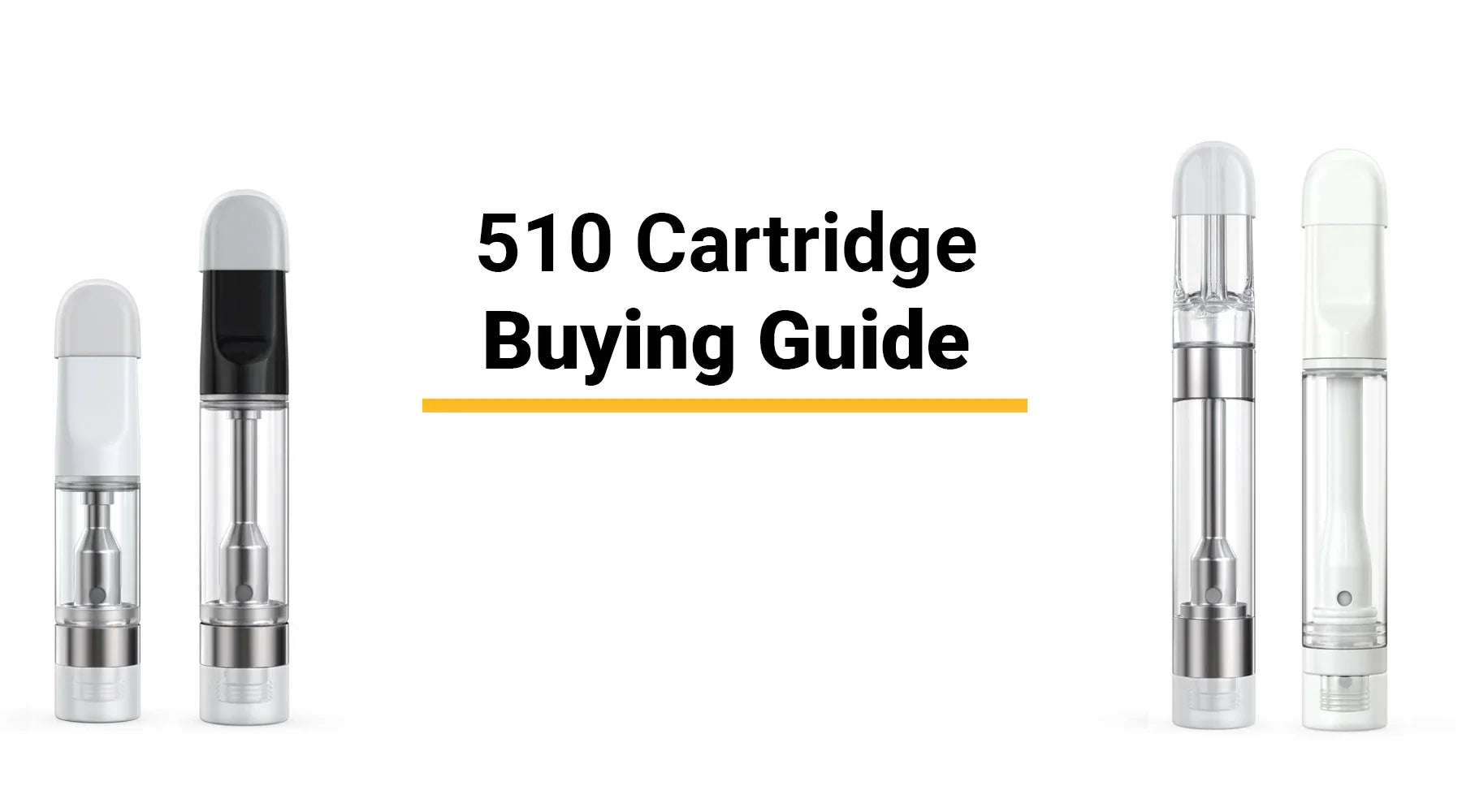
If you have already decided on cartridges and want a deeper breakdown of hardware specs, our 510 Cartridge Buying Guide covers everything you need to know before placing a bulk order.
What Is a 510 Thread Cartridge?
A 510 thread cartridge is a refillable tank that connects to a separate battery via a universal threaded connection. The "510" refers to the threading specification (10 threads at 0.5mm pitch), which has become the industry standard across virtually every vape battery manufacturer. The result is broad compatibility: a 510 cartridge works with nearly any 510 thread battery on the market.
510 cartridges are sold empty for brands to fill with their own oil. They come in a range of formats including ceramic cell, full ceramic, and various mouthpiece styles. Tank sizes are typically 0.5ml and 1ml, though larger options exist for specific applications.
The consumer experience with a 510 cartridge involves purchasing the cartridge separately from the battery, though many brands sell pre-filled cartridges alongside compatible batteries as a bundle.
What Is an Empty Disposable Vape?
An all-in-one disposable vape combines the oil tank, heating element, and battery into a single self-contained unit. The consumer uses it until the oil runs out or the battery dies, then discards the device. There are no separate components, no charging required in basic models, and no compatibility questions to navigate.
Empty disposable vapes are designed for brands to fill before retail, similar to empty cartridges. They come in a range of sizes, most commonly 0.5ml, 1ml, and 2ml capacities. Modern disposables often include USB-C charging ports, allowing consumers to recharge the battery if it dies before the oil runs out, which has addressed one of the format's early criticisms.
Postless disposable vapes, which eliminate the traditional center post entirely, have become the preferred hardware choice for brands filling live resin, rosin, and other high-terpene formulations because the open chamber design accommodates a wider range of oil consistencies.
Key Differences Between the Two Formats
Consumer Experience
The 510 cartridge requires a battery. For a consumer who already owns a 510 battery, this is not a friction point. For a new consumer or someone buying as a gift, it adds a step. Disposable vapes remove this barrier entirely. The consumer opens the package and uses the device immediately with no additional hardware required.
This difference matters significantly depending on your target market. Experienced cannabis consumers who vape regularly almost always own a 510 battery and prefer the cartridge format for cost and sustainability reasons. New consumers, occasional users, and retail markets where ease of use is a priority tend to favor disposables.
Price Point and Margin
Empty 510 cartridges are generally less expensive to source than empty disposable vapes at equivalent quality levels. The hardware cost difference is a meaningful factor for brands operating on tight margins or targeting the value end of the market.
However, disposables command higher retail price points. A 1ml disposable vape can retail at a premium over a 1ml cartridge for the same oil because the all-in-one format carries a perceived convenience value. Brands with strong positioning and a quality product can often achieve better margin on disposables despite the higher hardware cost.
The full margin picture depends on your specific wholesale pricing, retail pricing strategy, and target consumer. Neither format is universally more profitable. It depends on how your brand is positioned.
Oil Compatibility
This is one of the most important practical differences between the two formats and one that is often overlooked by brands sourcing hardware for the first time.
Standard 510 ceramic cell cartridges are optimized for thick, high-viscosity oils. Distillate performs exceptionally well in most 510 cartridges with standard intake ports. Thinner oils with high terpene concentrations, such as live resin and rosin, can cause leaking in cartridges not specifically designed for lower-viscosity formulations.
Postless disposable vapes, by contrast, are engineered to handle a wider range of oil viscosities. The open postless chamber design allows thinner oils to flow and wick without the leaking issues associated with traditional cartridge intake ports. This makes disposables the preferred format for many live resin and rosin brands.
Full ceramic 510 cartridges offer a middle ground for brands filling sensitive extracts who prefer the cartridge format. The zero metal contact design and ceramic chamber preserve terpene profiles better than standard ceramic cell hardware.
Branding and Packaging
Both formats support custom branding, but the nature of that branding differs. A 510 cartridge is a small piece of hardware, so branding opportunities are limited to the packaging and, for custom orders, printed labels or custom mouthpiece colors. The battery, which the consumer provides separately, is outside the brand's control.
A disposable vape is a complete branded object. The entire device is your brand's canvas. Custom colors, printed logos, and distinctive hardware shapes all contribute to a more cohesive branded experience from the moment the consumer picks it up. For brands where visual identity and shelf presence are central to the strategy, the disposable format offers more creative control.
Sustainability
This is a growing consideration in the cannabis market and one that is increasingly influencing consumer purchasing decisions. 510 cartridges, while not recyclable in standard recycling streams, do separate the oil delivery hardware from the battery. Consumers can reuse a quality 510 battery for years and replace only the cartridge.
Disposable vapes combine a battery with the oil delivery system in a single use device. Even rechargeable disposables that allow the battery to be fully depleted before disposal represent a higher hardware footprint per unit of oil consumed compared to the reusable battery model.
Brands targeting sustainability-conscious markets should factor this into their format decision. Some brands address this by offering take-back programs or partnering with electronics recycling services, but these add operational complexity.
Regulatory Considerations
Cannabis vape hardware regulations vary significantly by market. Some jurisdictions have specific rules about packaging, labeling, child resistance, and device specifications that apply differently to cartridges versus disposables. Before committing to a format at scale, verify the specific requirements in your target markets.
The FDA has also taken positions on disposable vape products in the nicotine market that have created regulatory uncertainty in that space. While cannabis hardware regulations are governed separately at the state level in the United States, staying current on evolving regulations in your specific markets is essential for any hardware decision.
Which Format Is Right for Your Brand?
The answer depends on four factors: your oil type, your target consumer, your retail price point, and your brand positioning.
Choose 510 cartridges if you are filling distillate or standard viscosity oils, targeting experienced consumers who already own batteries, operating in a cost-sensitive market where hardware cost directly affects your ability to compete on price, or building a brand where the cartridge format aligns with your existing market presence.
Choose empty disposable vapes if you are filling live resin, rosin, or other high-terpene lower-viscosity formulations, targeting new consumers or retail environments where ease of use drives purchasing decisions, positioning a premium product where the all-in-one format supports a higher retail price, or prioritizing brand cohesion and visual identity across the full consumer experience.
Many established brands carry both formats. A cartridge line at an accessible price point and a disposable line at a premium tier can serve different consumer segments within the same brand architecture. Starting with one format and expanding to the other once you have established distribution and consumer feedback is a common and sensible approach.
Testing Before You Commit
Regardless of which format you choose, testing hardware with your specific oil before placing a bulk order is not optional. Fill a sample pack with your actual formulation, leave the filled units sitting for 48 hours, and evaluate for leaking, wicking performance, flavor quality, and draw resistance. Hardware that performs well with one oil type may perform poorly with another, and discovering that after a bulk order is an expensive lesson.
CheapCarts offers sample packs for both 510 cartridges and disposable vapes, allowing you to test hardware quality and oil compatibility before committing to wholesale quantities. Browse our wholesale empty 510 cartridges and empty disposable vapes, or order a vape cartridge sample pack to start evaluating hardware for your brand today.
Keep reading

Ready to stock up?
Shop wholesale cartridges and disposables, with free shipping on orders over $49.99.