May 20, 2026
How to Choose a Wholesale Vape Cartridge Supplier
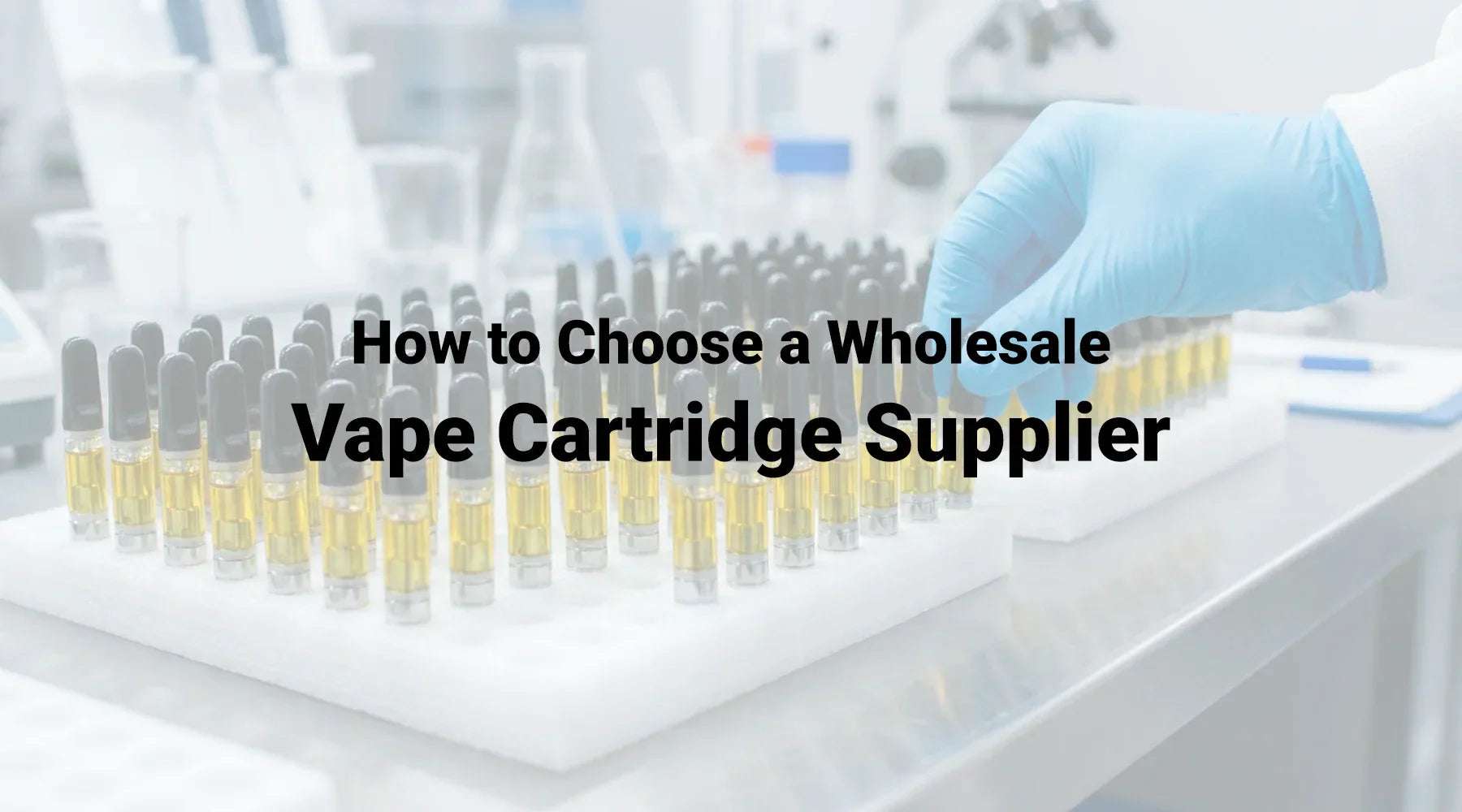
Sourcing empty vape cartridges in bulk is one of the most important operational decisions a cannabis brand makes. Get it right and you have a reliable hardware partner that supports your growth. Get it wrong and you are dealing with leaking cartridges, heavy metal contamination risks, inconsistent quality, and lead times that leave your shelves empty.
The wholesale vape cartridge market is crowded with suppliers ranging from legitimate, experienced operations to overseas brokers selling uncertified hardware with no accountability. Knowing what separates a reliable supplier from a risky one before you place your first bulk order can save your brand significant time, money, and reputation.
This guide covers every factor worth evaluating when choosing a wholesale vape cartridge supplier.
Start With Lab Testing and Safety Certification
The single most important thing to verify before ordering from any wholesale vape cartridge supplier is their lab testing documentation. This is non-negotiable.
Empty vape cartridges come into direct contact with the oil your customers inhale. Hardware that has not been properly tested for heavy metals can introduce lead, cadmium, arsenic, and mercury into the oil, creating serious health risks and compliance exposure for your brand. In markets where cannabis products are regulated, selling oil in hardware that fails heavy metal testing can result in product recalls, regulatory action, and permanent damage to your brand.
What to Look for in Lab Testing
Third-party testing is the standard you should require. Internal testing, where a supplier tests their own hardware without an independent lab, is not sufficient. A reputable supplier will have certificates of analysis (COA) from accredited third-party laboratories, and those certificates should be publicly available or provided on request without hesitation.
The COA should specifically test for heavy metals including lead, cadmium, arsenic, and mercury. Certificates that test only for residual solvents or other contaminants but not heavy metals do not satisfy the standard you need for vape hardware.
Ask any supplier you are evaluating two questions before going further: "Who performs your third-party lab testing?" and "Can I see the current certificate of analysis for the specific hardware I am ordering?"
If they cannot answer both questions quickly and transparently, move on.
Certifications and Compliance
Beyond lab testing, look for suppliers who reference compliance with relevant industry standards. While there is no single universal certification body for vape hardware, suppliers who take compliance seriously will be able to speak to the testing standards their hardware meets and the specific regulations in the markets they serve.
Evaluate the Supplier's Warehouse Location
Where a supplier warehouses their inventory has a direct impact on your lead times, shipping costs, and operational reliability. This matters more than most first-time buyers realize.
USA Warehousing vs Overseas Sourcing
Many wholesale vape cartridge suppliers operate as brokers sourcing hardware from manufacturers in China and shipping directly from overseas. Lead times for overseas orders typically run four to eight weeks, sometimes longer depending on customs delays, port congestion, and seasonal demand spikes. For a brand managing a production schedule or trying to respond quickly to market demand, a four to eight week lead time is a serious operational constraint.
A supplier with inventory warehoused in the United States can fulfill orders in days rather than weeks. Most orders ship the same day or next business day, which means you can reorder closer to your actual need rather than holding large safety stock to buffer against overseas shipping uncertainty.
USA warehousing also means faster resolution when something goes wrong. If a shipment arrives with defective units, a domestic supplier can ship replacements within the same week. Waiting weeks for overseas replacements while your production is stalled is a costly alternative.
When evaluating suppliers, ask specifically where their inventory is physically located, not just where their company is registered. A company with a US address and overseas inventory is not the same as a supplier with a domestic warehouse.
Understand the Pricing Structure
Pricing transparency is one of the clearest indicators of a supplier's legitimacy and professionalism. A reliable wholesale supplier will have clear, published pricing that reflects genuine volume discounts.
Volume Pricing Tiers
Wholesale pricing should decrease as your order size increases. This is the standard model across the industry and any supplier worth working with will have defined pricing tiers that you can review without negotiating. Pricing tiers are typically structured around unit quantities, for example pricing per cartridge at orders of 100, 1,000, and 10,000+ units.
If a supplier requires you to contact them for pricing on every order, or if their pricing structure is deliberately vague, that is a warning sign. Opaque pricing often means inconsistent pricing, which makes budgeting and margin planning difficult and creates unnecessary friction in your supplier relationship.
What Is a Reasonable Price for Wholesale Vape Cartridges?
Pricing varies significantly based on cartridge type, order volume, and hardware quality. As a general benchmark, ceramic cell 510 thread cartridges from a USA-based supplier with proper lab testing start at approximately $1.00 per piece on larger bulk orders, with pricing increasing for smaller quantities and premium hardware types such as full ceramic cartridges. For broader wholesale market pricing benchmarks and supply chain data, see our cannabis vape cartridge industry statistics.
Be cautious of suppliers offering pricing that seems dramatically lower than market rate. Hardware that is priced significantly below competitors is often untested, made with lower-grade materials, or sourced through channels that cannot guarantee consistency between orders. The cost of a contamination issue or a batch of faulty cartridges far exceeds the savings from choosing the cheapest hardware available.
Minimum Order Requirements
Some wholesale suppliers require minimum order quantities that can be prohibitive for smaller brands or for buyers testing a new hardware format. A supplier with no minimum order requirement gives you the flexibility to start with a sample pack, evaluate quality with your specific oil, and scale up once you are confident in the hardware.
When comparing suppliers, factor minimum order requirements into the total cost of working with them. A supplier with a lower per-unit price but a large minimum order may represent a higher actual cost than a slightly higher per-unit price with no minimum.
Assess Hardware Quality and Compatibility
Price and location matter, but the hardware itself has to perform. Evaluating hardware quality before committing to bulk is the most important practical step in the supplier selection process.
Cartridge Types and Coil Technology
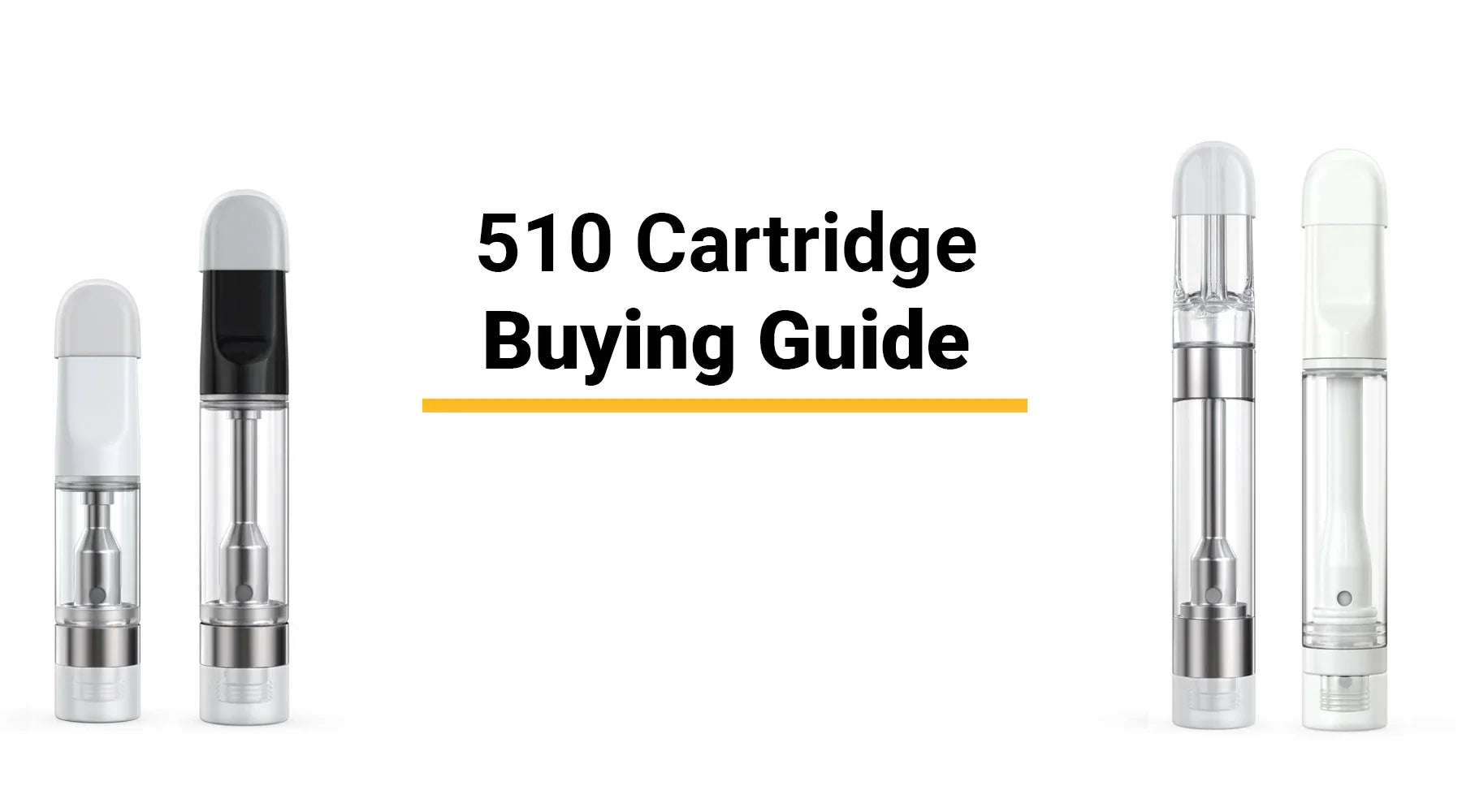
Not all vape cartridges are built the same way and the coil technology inside the cartridge has the greatest impact on vapor quality, flavor, and performance. The dominant options in the wholesale market are ceramic cell cartridges and full ceramic cartridges.
Ceramic cell cartridges use a ceramic coil element for even, consistent heating. They perform exceptionally well with distillate and most standard-viscosity oils and represent the most common hardware choice for wholesale buyers. Full ceramic cartridges eliminate all metal contact with the oil, which preserves terpene profiles and is the preferred option for premium brands filling sensitive, high-terpene extracts.
For a complete breakdown of cartridge types and how to match hardware to your oil formulation, see our 510 Cartridge Buying Guide.
Oil Viscosity Compatibility
A supplier who knows their hardware will be able to tell you which oil types each cartridge format is designed for. Distillate, live resin, rosin, and other extract types have different viscosities that interact differently with cartridge intake ports, coil designs, and tank geometries. Hardware that works perfectly with distillate may leak with a high-terpene live resin and vice versa.
Ask your supplier which oil types their hardware is optimized for before you order. If they cannot answer this question clearly, they are selling hardware without understanding it.
510 Thread Compatibility
Confirm that any cartridge hardware you source uses the standard 510 thread specification. The 510 thread is the universal industry standard and ensures compatibility with the widest range of batteries on the market. Proprietary threading that locks consumers into specific battery brands is a consumer experience liability and a signal that the supplier is not focused on the wholesale market.
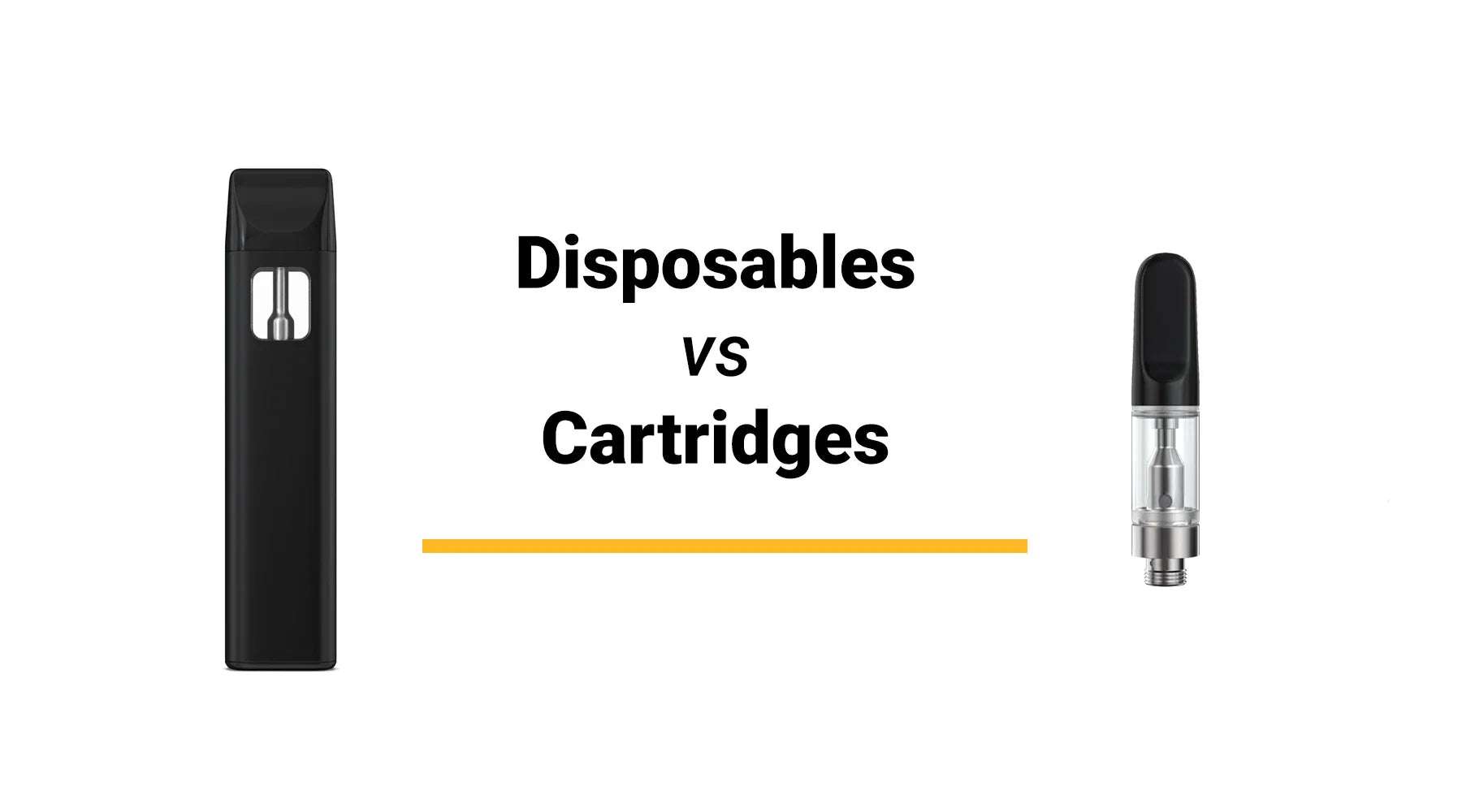
If you are also evaluating all-in-one disposable vape hardware and are unsure which format is right for your brand, our guide to empty disposable vapes vs 510 cartridges covers the key differences in detail.
Require Samples Before Placing a Bulk Order
Every reputable wholesale vape cartridge supplier will offer samples. If a supplier will not let you test their hardware before placing a bulk order, that tells you everything you need to know about their confidence in their own product.
How to Test Hardware Samples Properly
Ordering samples is only useful if you test them correctly. The most common mistake buyers make is filling samples and checking them immediately. Cartridge defects often do not manifest instantly; leaking, wicking failures, and seal issues typically appear after the cartridge has been sitting filled for 24 to 48 hours.
Follow this process for any new hardware you are evaluating:
Fill the sample cartridges with your actual oil, not a substitute. Hardware behaves differently with different formulations and testing with the wrong oil gives you unreliable results.
Leave the filled cartridges sitting upright for at least 48 hours before evaluating. Check for leaking around the mouthpiece, around the base, and through the intake ports.
Take several draws from each cartridge and evaluate vapor quality, draw resistance, and flavor consistency. Note whether the draw remains consistent from the first pull to the last or whether performance degrades as the oil level drops.
Check the structural integrity of the hardware including the connection between the cartridge and a battery, the mouthpiece fit, and the overall feel of the device.
If samples pass this evaluation with your specific oil, you can place a bulk order with confidence. If they fail, the supplier has saved you the cost of a failed bulk order.
Evaluate Customer Support and Reliability
The supplier relationship does not end at checkout. Hardware questions come up, defective units happen, and reorder timing matters. The quality of a supplier's customer support is a meaningful factor in whether they are actually a reliable long-term partner.
Response Time and Availability
A supplier serving wholesale buyers should have support available at minimum during standard business hours, Monday through Friday. Suppliers who offer seven-day support demonstrate a higher level of operational commitment. Test a supplier's response time before ordering by asking a technical question about their hardware. If they respond promptly with a knowledgeable answer, that is a good signal. If they take days to respond or give a vague answer, that is what you can expect when something goes wrong with an actual order.
Defect Policy and Resolution Process
Ask any supplier you are seriously considering what their defect rate looks like and what their process is for handling defective units. A supplier confident in their hardware will have a clear, straightforward answer. A defect rate below two percent is a reasonable benchmark for quality wholesale vape hardware. Anything significantly higher than that suggests quality control issues that will affect your production and your end customers.
Get the defect and return policy in writing before placing a bulk order so there are no ambiguities if you need to make a claim.
Consistency Between Orders
One of the most overlooked factors in supplier evaluation is consistency. A supplier who delivers excellent hardware on your first order but ships a different production run with different specifications on your second is a supplier you cannot rely on for a growing brand.
Ask suppliers whether they maintain consistent specifications across production runs and how they handle situations where hardware specs change between orders. The best suppliers will notify you proactively if anything changes and will give you the opportunity to re-evaluate before you commit to new inventory.
Red Flags to Watch For
As you evaluate wholesale vape cartridge suppliers, several warning signs should prompt you to look elsewhere:
No Publicly Available Lab Results
A supplier who cannot or will not provide third-party lab testing documentation for heavy metals is not a supplier you should be ordering from. This is the most fundamental quality requirement in the industry and there is no legitimate reason a reputable supplier cannot fulfill it.
Vague or Undisclosed Warehouse Location
If a supplier will not clearly state where their inventory is physically located, assume it is overseas. Factor full overseas lead times into your evaluation.
No Sample Option
Refusing to offer samples before bulk orders suggests the supplier lacks confidence in their hardware or is not set up to serve serious wholesale buyers.
Pricing With No Transparency
Suppliers who require you to contact them for every pricing inquiry, who refuse to publish volume tiers, or whose pricing fluctuates without explanation are suppliers who prioritize their own flexibility over your ability to plan.
Pressure to Order Quickly
Artificial urgency tactics like "limited stock" messaging or time-limited pricing on standard wholesale items are consumer retail tactics with no place in a professional wholesale supplier relationship.
The Right Supplier Grows With Your Brand
Choosing a wholesale vape cartridge supplier is not a one-time transaction. The best supplier relationships are ongoing partnerships where hardware quality, pricing, and communication improve as your order volume grows. The criteria in this guide are designed to help you identify suppliers who are capable of being that kind of long-term partner, not just the cheapest option available today.
At CheapCarts, every cartridge we sell is third-party lab-tested and certified heavy metal-free. Our inventory is warehoused in the USA (Naples, FL) for same or next business day fulfillment. Pricing tiers are published on every product page with no negotiation required and no minimum order. If you want to evaluate our hardware before committing to bulk, our vape cartridge sample packs let you test quality and oil compatibility with no risk.
Browse our wholesale empty vape cartridges and empty disposable vapes, or reach out to our team if you have questions before your first order. We have been supplying wholesale vape hardware since 2019 and our team is available seven days a week.
Keep reading
Ready to stock up?
Shop wholesale cartridges and disposables, with free shipping on orders over $49.99.